






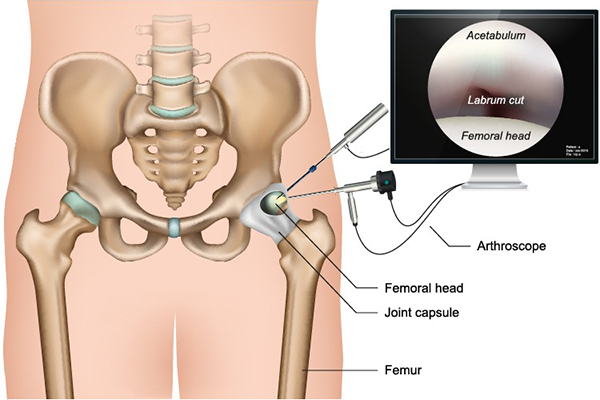
Hip arthroscopy is a minimally invasive surgical procedure used to diagnose and treat problems inside the hip joint without the need for large incisions. Using a small camera and specialized instruments, surgeons can repair damaged tissue with greater precision and less disruption to surrounding structures. For patients in New York dealing with chronic hip pain, this approach offers a modern alternative to traditional open surgery, often resulting in less postoperative discomfort and a quicker return to daily activities.
From Labral Tears to Hip Impingement: Conditions Treated Arthroscopically
Hip arthroscopy is highly effective in treating a range of conditions that commonly affect active individuals and athletes. These include labral tears, femoroacetabular impingement (FAI), cartilage damage, loose bodies within the joint, and certain tendon injuries. Many patients in New York experience these issues due to sports, repetitive motion, or long hours of sitting and commuting. By addressing the underlying structural problem, hip arthroscopy not only relieves pain but also improves joint function and stability.
How Does Hip Arthroscopy Really Work: Success Rates Explained
For appropriately selected patients, hip arthroscopy has demonstrated strong success rates, typically ranging from 80% to 90%. Most individuals report significant improvements in pain levels, mobility, and overall quality of life following the procedure. Patients are often able to return to activities they previously avoided, including exercise and sports. The effectiveness largely depends on factors such as the severity of the injury, timing of treatment, and the surgeon’s expertise in hip preservation techniques.
Faster Recovery, Less Downtime: Benefits of Minimally Invasive Hip Surgery
One of the key advantages of hip arthroscopy is its relatively faster recovery timeline. Because the procedure involves smaller incisions and less tissue disruption, patients can usually begin walking with assistance shortly after surgery and start physical therapy within days. Many return to normal daily activities within a few weeks, while full recovery and return to higher-level physical activity typically occur within three to six months. This faster recovery is especially valuable for busy professionals and active individuals in New York.
Can Hip Arthroscopy Help You Avoid a Hip Replacement?
Beyond immediate symptom relief, hip arthroscopy plays an important role in preserving the natural hip joint. By correcting structural abnormalities such as FAI early, the procedure can help slow or prevent the progression of joint degeneration. In many cases, this reduces the likelihood of needing a total hip replacement later in life. For younger and middle-aged patients, this joint-preserving benefit is a major reason to consider early intervention.
Am I a Candidate for Hip Arthroscopy in New York City?
Hip arthroscopy is most effective for patients who have persistent hip pain that has not responded to conservative treatments like rest, physical therapy, or injections. Ideal candidates often have labral tears or impingement with minimal to no advanced arthritis. Active individuals who want to return to sports or maintain a high level of mobility tend to benefit the most. A thorough evaluation, including imaging and physical examination, is essential to determine whether this procedure is the right option.
Why New York Patients Choose Expert Hip Arthroscopy Specialists
The success of hip arthroscopy depends heavily on the skill and experience of the surgeon performing the procedure. Choosing a specialist who focuses on hip arthroscopy and hip preservation can significantly improve outcomes. In a competitive medical landscape like New York, patients have access to highly trained orthopedic surgeons who utilize advanced techniques to deliver precise, effective treatment and optimize recovery.
What to Expect After Hip Arthroscopy Surgery: Recovery and Results
Recovery after hip arthroscopy is a structured process that involves guided rehabilitation and gradual return to activity. Patients typically follow a customized physical therapy program designed to restore strength, flexibility, and joint stability. While some improvement is noticeable within the first few weeks, full recovery varies depending on the condition treated and the individual’s adherence to rehabilitation. Consistent follow-up care helps ensure the best possible long-term results.
Is Hip Arthroscopy Worth It for Hip Pain Relief in NYC?
For many patients in New York, hip arthroscopy is a highly effective solution for treating hip injuries and restoring an active lifestyle. It offers a combination of pain relief, improved function, and joint preservation with less downtime than traditional surgery. When performed on the right candidate by an experienced specialist, it can be a valuable investment in long-term mobility and overall quality of life.
Frequently Asked Questions About Hip Arthroscopy in New York City
How long does hip arthroscopy surgery take?
Hip arthroscopy typically takes between one and two hours, depending on the complexity of the condition being treated. Most procedures are performed on an outpatient basis, allowing patients to return home the same day.
Is hip arthroscopy painful?
Patients may experience mild to moderate discomfort after surgery, but this is usually well managed with medication and improves quickly within the first few weeks. Because the procedure is minimally invasive, pain is generally less than with traditional open surgery.
How long is the recovery after hip arthroscopy?
Recovery timelines vary, but most patients can return to light activities within a few weeks. Full recovery, including return to sports or high-impact activities, typically takes about three to six months with proper rehabilitation.
What is the success rate of hip arthroscopy?
Hip arthroscopy has a success rate of approximately 80% to 90% for well-selected patients, particularly those with labral tears or femoroacetabular impingement. Outcomes depend on early diagnosis, proper surgical technique, and adherence to rehabilitation.
Can hip arthroscopy prevent a hip replacement?
In many cases, yes. By correcting structural issues early, hip arthroscopy can slow joint degeneration and reduce the likelihood of needing a total hip replacement in the future.
When should I see a hip specialist in New York City?
You should consider seeing a specialist if you have persistent hip pain, stiffness, or limited mobility that does not improve with rest, physical therapy, or other non-surgical treatments. Early evaluation can lead to more effective treatment options and better long-term outcomes.
Don’t Let Hip Pain Slow You Down in New York City
If you are experiencing persistent hip pain, stiffness, or limited mobility that interferes with your daily activities, it may be time to consult a specialist. Early evaluation can help identify the cause of your symptoms and determine whether hip arthroscopy or another treatment option is appropriate. Seeking expert care sooner rather than later can make a significant difference in both recovery and long-term outcomes.
About Dr Youm: Thomas Youm, MD is a board-certified orthopedic surgeon specializing in hip arthroscopy and joint preservation. He completed a Sports Medicine fellowship at the Kerlan-Jobe Orthopaedic Clinic and is a member of leading organizations including the American Academy of Orthopaedic Surgeons and the International Society for Hip Arthroscopy. Dr. Youm has published over 150 articles and delivered more than 300 presentations on orthopedic sports medicine.
Reference:
1-https://pmc.ncbi.nlm.nih.gov/articles/PMC6154262/