





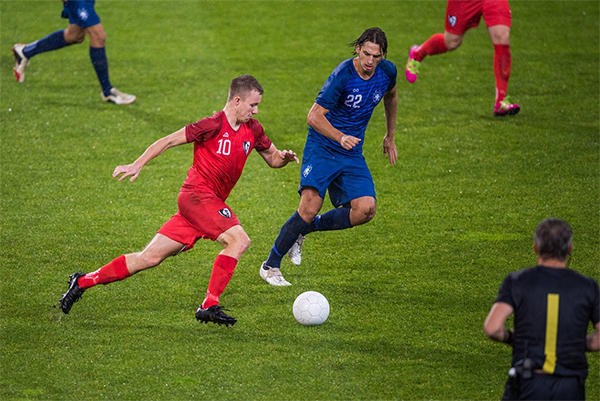
A sports injury can disrupt far more than your workout routine. Whether you are a competitive athlete, a weekend runner, or simply someone who enjoys staying active, pain and limited mobility can affect your daily life, confidence, and long-term health. While many injuries improve with rest and rehabilitation, others require a more specialized approach to ensure a safe and effective recovery. Understanding how a sports medicine surgeon can help is the first step toward getting back to the activities you enjoy.
Why Sports Injuries Often Need Specialized Care
Sports and activity-related injuries place unique demands on the body. Unlike many everyday injuries, they often involve structures that are essential for strength, flexibility, balance, and performance. Ligament tears, tendon injuries, cartilage damage, and joint instability can all affect your ability to move comfortably and confidently.
A sports medicine surgeon specializes in diagnosing and treating musculoskeletal injuries that occur during athletic activities and physical exercise. Their goal is not only to relieve pain but also to restore function and help patients return to their desired level of activity safely.
Getting the Right Diagnosis from the Start
One of the most important aspects of recovery is understanding the exact cause of your symptoms. Knee pain, shoulder discomfort, hip stiffness, or elbow injuries can have multiple underlying causes that may not be obvious without a detailed evaluation.
A sports medicine specialist typically combines a physical examination, medical history, and advanced imaging studies when necessary. This comprehensive assessment helps identify issues such as labral tears, cartilage injuries, ligament damage, tendon disorders, or joint instability.
An accurate diagnosis creates the foundation for an effective treatment plan and reduces the risk of prolonged symptoms or recurrent injuries.
Exploring Non-Surgical Treatment Options First
Surgery is not always the first step in treating sports injuries. In many cases, conservative treatments can provide significant relief and improve function.
Depending on the condition, treatment may include:
- Physical therapy and guided rehabilitation
- Activity modification
- Anti-inflammatory treatments
- Injection therapies such as platelet-rich plasma (PRP)
- Strengthening and conditioning programs
Sports medicine surgeons frequently work alongside physical therapists and rehabilitation specialists to help patients recover while avoiding unnecessary procedures whenever possible.
When Surgery Becomes Part of the Recovery Plan
Some injuries do not heal adequately with non-surgical care alone. Severe ligament tears, persistent joint instability, cartilage damage, and certain tendon injuries may require surgical intervention to restore normal function.
Modern sports medicine procedures often utilize minimally invasive arthroscopic techniques. These approaches allow surgeons to access and repair damaged structures through small incisions, which may reduce tissue disruption and support a more efficient recovery process.
Specialized procedures can address conditions involving the shoulder, hip, knee, and elbow. For example, hip arthroscopy may be used to treat labral tears and femoroacetabular impingement, while arthroscopic shoulder surgery can help manage instability or rotator cuff injuries.
Supporting a Safe Return to Sports and Activity
Recovering from an injury is about more than healing damaged tissue. Returning to sports too quickly can increase the risk of reinjury and potentially lead to chronic problems.
Sports medicine surgeons help guide patients through every stage of recovery, from initial treatment to return-to-play decisions. Progress is monitored carefully, with recommendations tailored to the individual's sport, activity level, age, and overall health.
This personalized approach helps ensure that patients regain strength, mobility, and confidence before resuming demanding physical activities.
Long-Term Injury Prevention Matters Too
A successful recovery should also focus on preventing future injuries. Many sports injuries occur because of underlying biomechanical issues, muscle imbalances, overuse patterns, or inadequate conditioning.
Sports medicine specialists often identify risk factors that may contribute to recurring problems. By addressing these factors through targeted rehabilitation, movement training, and conditioning programs, patients can reduce the likelihood of future setbacks and maintain an active lifestyle.
Frequently Asked Questions
What does a sports medicine surgeon treat?
A sports medicine surgeon treats injuries involving bones, joints, muscles, ligaments, tendons, and cartilage. Common conditions include ACL tears, rotator cuff injuries, labral tears, meniscus injuries, tendonitis, and joint instability.
Do I need surgery for a sports injury?
Not necessarily. Many sports injuries respond well to physical therapy, activity modification, rehabilitation programs, and other non-surgical treatments. Surgery is typically considered when conservative treatments do not provide sufficient improvement.
How long does it take to recover from a sports injury?
Recovery time depends on the type and severity of the injury. Minor strains may improve within weeks, while more complex injuries or surgical procedures can require several months of rehabilitation.
Can a sports medicine surgeon help if I am not a professional athlete?
Yes. Sports medicine specialists treat people of all activity levels, including recreational athletes, fitness enthusiasts, and individuals whose injuries affect daily activities and mobility.
When should I see a sports medicine specialist for an injury?
You should consider evaluation if pain persists, swelling continues, mobility is limited, the joint feels unstable, or symptoms interfere with exercise, work, or everyday activities despite rest and basic treatment.
Protecting Your Joint Health and Future Performance
Recovering from a sports injury often requires more than simply waiting for pain to disappear. A thorough evaluation, individualized treatment plan, and structured rehabilitation process can make a meaningful difference in both short-term recovery and long-term joint health. If an injury is preventing you from staying active, seeking expert guidance may help you return to the activities you enjoy with greater confidence.
About Dr Youm: Thomas Youm, MD is a board-certified orthopedic surgeon specializing in hip arthroscopy and joint preservation. He completed a Sports Medicine fellowship at the Kerlan-Jobe Orthopaedic Clinic and is a member of leading organizations including the American Academy of Orthopaedic Surgeons and the International Society for Hip Arthroscopy. Dr. Youm has published over 150 articles and delivered more than 300 presentations on orthopedic sports medicine.