






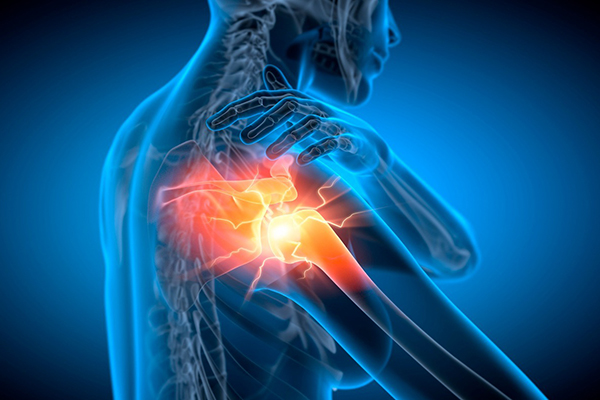
Reaching for a seatbelt shouldn't cause a wince. Neither should throwing a ball, lifting a bag overhead, or sleeping on your side. Yet shoulder pain often gets dismissed as something to work around rather than treat, until it starts limiting daily life. Shoulder arthroscopy is frequently discussed as a fix, but it isn't the answer for every kind of shoulder problem. Here's how to know if it fits yours.
What Shoulder Arthroscopy Actually Involves
Shoulder arthroscopy is a minimally invasive technique that allows a surgeon to examine and repair structures inside the shoulder joint through a few small incisions rather than a large open approach. A miniature camera provides a magnified view of the joint's interior, guiding precise instrument work through the same small openings. For many shoulder conditions, this approach means less soft tissue disruption and a more gradual, predictable path back to function compared to traditional open surgery.
Conditions That Often Respond Well to Arthroscopy
Shoulder arthroscopy tends to work best for specific, well-defined injuries rather than generalized wear and tear. Rotator cuff tears are among the most common reasons patients pursue this approach, particularly when pain and weakness persist despite conservative treatment. Labral tears, including SLAP tears at the top of the shoulder socket, are frequently addressed arthroscopically, sometimes alongside a biceps tenodesis when the biceps tendon is also involved. Shoulder instability, where the joint repeatedly dislocates or feels like it might slip, is another area where arthroscopic techniques like Bankart repair can restabilize the joint by reattaching torn labral tissue to the socket.
When Instability Requires More Than a Standard Repair
Not every instability case can be solved with a routine labral repair. When a patient has experienced repeated dislocations that have worn away bone from the socket, a Latarjet procedure may be necessary. This technique transfers a small piece of bone to rebuild the socket's structure, addressing bone loss that a simple soft tissue repair cannot fix on its own. Recognizing which patients need this more involved approach, rather than a standard arthroscopic repair, often depends on imaging that reveals how much bone has actually been lost.
When Shoulder Pain Points Toward Something Else
Not all shoulder pain calls for arthroscopic surgery. Massive, long-standing rotator cuff tears sometimes progress beyond what a standard repair can address, in which case a superior capsular reconstruction may offer a way to restore stability and function without moving straight to joint replacement. Advanced arthritis of the shoulder, where the joint surfaces themselves have worn down, generally responds better to shoulder arthroplasty, a joint replacement procedure, than to arthroscopic repair. Similarly, an AC joint separation from a fall or sports collision sometimes requires reconstruction of the ligaments connecting the collarbone to the shoulder blade rather than standard arthroscopic technique. This is why an accurate diagnosis, built on physical examination and imaging, matters more than assuming any one procedure is the right fit.
What Recovery Typically Looks Like
Recovery varies significantly depending on what was actually repaired. A straightforward labral repair may allow for a lighter sling protocol and quicker return to gentle motion, while a more extensive rotator cuff repair or Latarjet procedure requires a longer, carefully staged rehabilitation to protect healing tissue and bone. Because of this variability, procedure-specific rehab protocols and clear post-operative instructions play a meaningful role in how smoothly recovery unfolds.
When Non-Surgical Options Come First
Arthroscopy is rarely the immediate first step in treating shoulder pain. Many patients see meaningful improvement through physical therapy, activity modification, or regenerative treatments like platelet-rich plasma injections before surgery becomes part of the conversation. These approaches can reduce inflammation and improve strength around the joint, and in some cases resolve symptoms without surgical intervention at all.
Frequently Asked Questions
How do I know if my shoulder pain requires surgery?
Persistent pain, weakness, a feeling of instability, or symptoms that haven't improved with physical therapy are signs worth having evaluated. Many cases improve with conservative treatment first, so surgery is usually considered only after that hasn't provided lasting relief.
What is the recovery time for shoulder arthroscopy?
Recovery depends on what was repaired. A labral repair may allow for lighter activity within several weeks, while a rotator cuff repair or Latarjet procedure typically requires a longer, staged rehabilitation over a few months.
Is shoulder arthroscopy the same as shoulder replacement?
No. Arthroscopy repairs specific structures within an otherwise intact joint, such as a torn rotator cuff or labrum, while shoulder replacement, or shoulder arthroplasty, addresses widespread joint degeneration from advanced arthritis.
Can a rotator cuff tear heal without surgery?
Some smaller or partial tears can improve with physical therapy and activity modification. Larger or full-thickness tears, especially those causing persistent weakness, often respond better to arthroscopic repair.
What is a Latarjet procedure and who needs it?
A Latarjet procedure transfers bone to rebuild the shoulder socket after significant bone loss from repeated dislocations. It's typically considered when standard labral repair alone wouldn't adequately restore stability.
Shoulder pain doesn't always require surgery, but understanding which category yours falls into starts with an accurate diagnosis. If you're dealing with persistent shoulder pain in the New York area and want to understand your full range of treatment options, scheduling a consultation is a reasonable next step.
About Dr Youm: Thomas Youm, MD is a board-certified orthopedic surgeon specializing in hip arthroscopy and joint preservation. He completed a Sports Medicine fellowship at the Kerlan-Jobe Orthopaedic Clinic and is a member of leading organizations including the American Academy of Orthopaedic Surgeons and the International Society for Hip Arthroscopy. Dr. Youm has published over 150 articles and delivered more than 300 presentations on orthopedic sports medicine.