





Whether you play weekend soccer in Bergen County, run the trails along the Palisades, or train year round for a high school or college team, an injury can stop you in your tracks. Some heal with rest. Others need a closer look. Knowing which injuries come up most often, and how each one is usually treated, helps you act sooner and return to the activities you love with confidence.
Which Injuries Does a Sports Medicine Surgeon in New Jersey See Most Often?
The most common sports injuries are sprains, strains, fractures, and dislocations. Beyond those broad groups, a handful of specific problems in the knee, hip, and shoulder account for a large share of visits to a sports medicine practice.
What Is the Difference Between a Sprain and a Strain?
Sprains
A sprain is a stretch or tear of a ligament, the tough band that connects one bone to another. Treatment for sprains begins with the RICE protocol and physical therapy.1
Strains
A strain is an injury to a muscle or tendon, often in the hamstring, groin, or calf. Most improve with rest, gradual stretching, and progressive strengthening.
For either injury, RICE stands for rest, ice, compression, and elevation. Ice for 15 to 20 minutes at a time, about four times a day, and always place a towel between the ice and your skin.
Why Are ACL Tears So Common in Athletes?
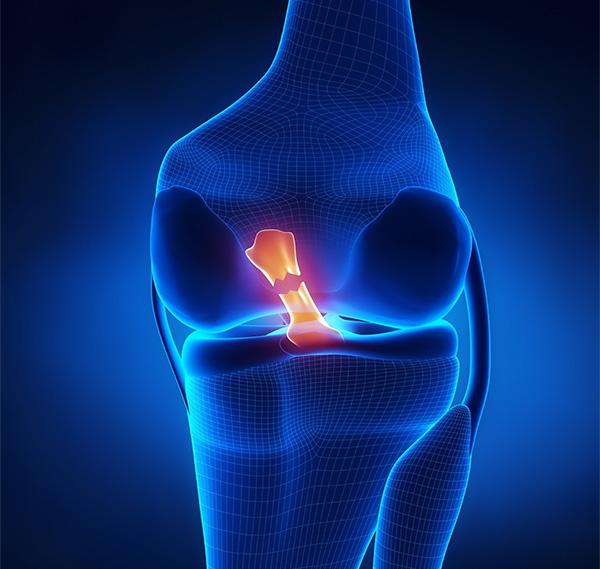
The anterior cruciate ligament stabilizes your knee during cutting, pivoting, and landing. ACL injuries affect more than 200,000 people each year in the United States and represent more than half of all knee injuries.2 Many athletes describe a popping sound at the moment of injury, followed by swelling within about two hours and a feeling that the knee gives way.
The ACL has a poor ability to heal on its own. If your knee remains stable and your activity demands are modest, nonsurgical care with bracing and physical therapy may be enough. If the knee keeps buckling or you want to return to cutting sports, an ACL tear is often treated with arthroscopic reconstruction.
How Is a Meniscus Tear Treated?
The meniscus is a C shaped cushion of cartilage between your thighbone and shinbone. Meniscus tears are among the most common knee injuries, and athletes in contact sports are at particular risk.3 You may notice catching, locking, swelling, or pain along the joint line.
Treatment depends on the type, size, and location of the tear, along with your age and activity level. Small tears near the outer edge, where blood supply is better, may heal or settle with conservative care. Larger tears that cause mechanical symptoms may need meniscus surgery, which can involve trimming the torn portion, repairing it, or, in select cases, replacing it.
What Causes Hip Pain in Young, Active People?
Hip injuries in athletes include labral tears, dislocations, and, with severe trauma, femur fractures. The labrum is a rim of cartilage that seals the hip socket. Femoroacetabular impingement, or FAI, occurs when extra bone along the ball or socket causes the bones to rub during movement, and it can damage the labrum and cartilage over time.4
Pain from a hip labral tear is usually felt in the groin, though it can also appear on the side of the hip or in the buttock. If rest, activity changes, and physical therapy do not help, hip arthroscopy can address the torn labrum and the bone shape behind it.
Which Shoulder and Elbow Injuries Are Common in Sports?
Overhead athletes stress the shoulder and elbow. Common problems include rotator cuff tears, shoulder instability after a dislocation, labral injuries in the shoulder, and ulnar collateral ligament injuries in the elbow of throwing athletes. Our pages on rotator cuff tears and shoulder instability explain the options in more detail.
When Should You See a Sports Medicine Surgeon?
Minor sprains and strains often improve within a few days to weeks. Schedule an evaluation if you notice any of the following:
- A pop at the time of injury followed by quick swelling
- A joint that locks, catches, or gives way
- Pain that has not improved after a week or two of rest
- Inability to bear weight or move the joint through its normal range
- Numbness, tingling, or visible deformity
Frequently Asked Questions
What is the most common sports injury?
Sprains and strains are among the most common sports injuries. They affect ligaments, muscles, and tendons and usually respond to RICE and physical therapy.1
Do all ACL tears need surgery?
No. If your knee is stable and your activity level allows it, bracing and physical therapy may be enough. Reconstruction is often advised if the knee keeps giving way or you want to return to pivoting sports.2
Can a meniscus tear heal without surgery?
Sometimes. Small tears in the outer portion of the meniscus, which has a better blood supply, may heal or settle with rest and rehabilitation.3
Is groin pain in athletes always a groin pull?
Not always. Groin pain can come from a hip labral tear or FAI, which can be mistaken for a muscle strain or sports hernia.
Where can I see a sports medicine surgeon in New Jersey?
You can be evaluated at our Englewood, New Jersey office at 34 South Dean Street. We also see patients at our office on East 86th Street in Manhattan.
Get Back in the Game With Care in Englewood, New Jersey
Most sports injuries have a clear path to recovery once you know what you are facing. If pain, swelling, or instability is holding you back, you can request an appointment at our Englewood or Manhattan office to talk through a plan that fits your sport and your goals.
References
- Wittstein JR. Sprains, Strains and Other Soft Tissue Injuries. OrthoInfo, American Academy of Orthopaedic Surgeons.
- Williams HA, Kennedy OT. Anterior Cruciate Ligament (ACL) Injuries. OrthoInfo, American Academy of Orthopaedic Surgeons.
- Wittstein JR. Meniscus Tears. OrthoInfo, American Academy of Orthopaedic Surgeons.
- Witstein JR, Mulcahey MK. Femoroacetabular Impingement. OrthoInfo, American Academy of Orthopaedic Surgeons.
About Dr Youm: Thomas Youm, MD is a board-certified orthopedic surgeon specializing in hip arthroscopy and joint preservation. He completed a Sports Medicine fellowship at the Kerlan-Jobe Orthopaedic Clinic and is a member of leading organizations including the American Academy of Orthopaedic Surgeons and the International Society for Hip Arthroscopy. Dr. Youm has published over 150 articles and delivered more than 300 presentations on orthopedic sports medicine.