







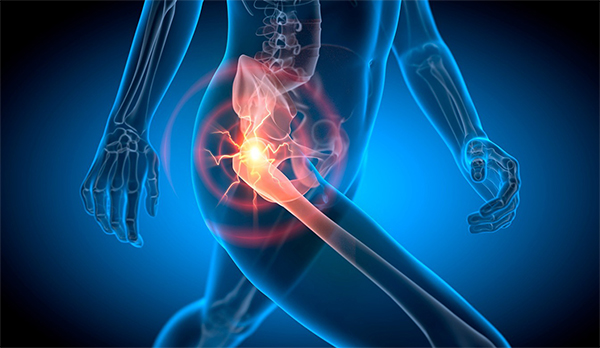
Choosing a hip arthroscopy surgeon in New Jersey is about more than finding a name at the top of a search result. Experience with complex hip conditions, understanding of joint preservation, surgical technique, and a thoughtful approach to rehabilitation can all influence outcomes. For patients comparing specialists, it is important to understand what qualifications and experience matter when choosing a hip arthroscopy surgeon. Here is what to look for when making that decision.
What Makes a Hip Arthroscopy Surgeon Stand Out?
There is no single measure that determines the “best” hip arthroscopy surgeon for every patient. Different surgeons develop expertise in different procedures, and individual treatment needs vary considerably.
When evaluating a specialist, patients should consider:
- Experience treating the specific hip condition
- Training in hip arthroscopy and sports medicine
- Experience with joint-preservation procedures
- Familiarity with both common and complex injuries
- Commitment to evidence-based treatment
- Access to appropriate imaging and diagnostic evaluation
- A structured postoperative rehabilitation program
These factors can help patients make a more informed decision rather than relying solely on online rankings or reviews.
Why Is Hip Arthroscopy Expertise Important?
Hip arthroscopy is a minimally invasive procedure that uses a small camera and specialized instruments to diagnose and treat problems inside the hip joint. It can be used for conditions including femoroacetabular impingement, labral tears, and certain cartilage injuries.
The hip is a complex weight-bearing joint, and successful treatment requires an understanding of its anatomy, biomechanics, and surrounding soft tissues. A surgeon's experience with hip preservation can also be important when the objective is to address an injury while maintaining the patient's natural joint.
A Focus on Hip Arthroscopy and Sports Medicine
A focus on orthopaedic sports medicine, arthroscopic surgery, reconstructive procedures, and joint preservation can provide valuable experience for patients with hip conditions. Hip-related care may include arthroscopy for conditions such as femoroacetabular impingement and labral pathology.
Broader experience with sports medicine can also be relevant for active patients whose hip problems are associated with athletic activities or repetitive movement. Rather than viewing hip pain as a single diagnosis, a comprehensive sports medicine evaluation considers the injury, underlying mechanics, activity demands, and potential treatment options.
Hip Conditions That May Require Arthroscopic Treatment
Several hip problems may be evaluated for arthroscopic treatment.
Femoroacetabular Impingement: Femoroacetabular impingement, or FAI, occurs when abnormal contact develops between the bones of the hip joint. It can contribute to pain, limited movement, and damage to structures such as the labrum.
Hip arthroscopy can allow the surgeon to address abnormal bone and repair associated soft-tissue injuries when appropriate.
Hip Labral Tears: The labrum helps stabilize the hip and maintain the relationship between the femoral head and acetabulum. A tear can cause groin pain, clicking, catching, or discomfort with certain movements.
Treatment depends on the location and severity of the tear and may involve rehabilitation or arthroscopic repair or reconstruction.
Hip Avascular Necrosis: Joint-preservation treatment may also include arthroscopic-assisted core decompression for selected patients with avascular necrosis of the hip. Core decompression aims to address the affected area before advanced joint destruction develops.
Not every patient with avascular necrosis is a candidate for this approach, making appropriate staging and evaluation essential.
What About Hip Preservation?
Hip preservation focuses on maintaining the patient's natural hip joint whenever possible. It can involve arthroscopic procedures, cartilage treatment, or other techniques designed to address problems before they progress to advanced arthritis.
For younger or active patients, this philosophy can be particularly important. However, joint-preservation procedures are not appropriate for every condition. The extent of cartilage damage, arthritis, anatomy, symptoms, and previous treatment all influence the decision.
How Should New Jersey Patients Choose a Surgeon?
Patients looking for a hip arthroscopy surgeon in New Jersey should start by identifying specialists who regularly treat their specific diagnosis. Asking about experience with the proposed procedure, alternatives to surgery, expected recovery, rehabilitation, and potential risks can provide useful insight.
It is also worth obtaining an appropriate diagnostic evaluation before deciding on surgery. An abnormal MRI alone does not necessarily mean that an operation is required. Symptoms and physical examination findings need to be considered alongside imaging.
Frequently Asked Questions
Who is the best hip arthroscopy surgeon in New Jersey?
There is no universally established “best” surgeon for every patient. Patients should consider a surgeon's training, experience with their specific condition and procedure, approach to joint preservation, and commitment to individualized treatment when making a choice.
What conditions can hip arthroscopy treat?
Hip arthroscopy may be used to treat conditions such as femoroacetabular impingement, hip labral tears, and certain cartilage or soft-tissue problems. The appropriate treatment depends on the patient's diagnosis and the condition of the joint.
Is hip arthroscopy better than hip replacement?
Hip arthroscopy and hip replacement treat different problems. Arthroscopy is generally used to address specific conditions while preserving the natural joint, whereas replacement removes and replaces damaged joint surfaces. The appropriate procedure depends on the patient's diagnosis, age, joint condition, and extent of arthritis.
How do I know if I need hip arthroscopy?
Persistent hip or groin pain, clicking, catching, reduced mobility, or symptoms that interfere with sports and daily activities may warrant evaluation. A specialist typically considers your history, physical examination, imaging, and response to nonsurgical treatment before recommending surgery.
How long does recovery take after hip arthroscopy?
Recovery varies according to the procedure performed and the individual patient. Rehabilitation is an important component of recovery, and the timeline for returning to normal activities or sports depends on the specific repair and healing process.
Choosing the Right Hip Specialist
Finding the right surgeon is ultimately a personal medical decision. For patients in New Jersey considering hip arthroscopy, evaluating experience in hip preservation, sports medicine, labral treatment, FAI, and related procedures can help narrow the options. A consultation can provide an opportunity to understand the diagnosis, available treatments, and whether hip arthroscopy is appropriate for your individual goals.
About Dr Youm: Thomas Youm, MD is a board-certified orthopedic surgeon specializing in hip arthroscopy and joint preservation. He completed a Sports Medicine fellowship at the Kerlan-Jobe Orthopaedic Clinic and is a member of leading organizations including the American Academy of Orthopaedic Surgeons and the International Society for Hip Arthroscopy. Dr. Youm has published over 150 articles and delivered more than 300 presentations on orthopedic sports medicine.